Not medical advice. DrPep does not sell peptides. Educational content only — many compounds are investigational or not FDA-approved. Verify against primary sources and talk with a licensed clinician.

Stack

Top 20 related-compound stacks people discuss (clinic menus, catalogs, community). Educational only — not dosing, not medical advice. Catalog framing: 10 mg only. DrPep does not sell peptides.

Prefer the body map? Browse the same stacks by region onBody map → Stacks.

CJC-1295 / Ipamorelin stack — CJC-1295 (no DAC), Ipamorelin research vial
#1Trending10/10 mgResearch

CJC-1295 / Ipamorelin

CJC-1295 (no DAC) · Ipamorelin · 2 compounds

People pair a GHRH-pathway analog (CJC-1295 without DAC) with a selective growth-hormone secretagogue (ipamorelin) because each hits a different receptor lane on the GH axis. Community and clinic menus treat them as complementary “related compounds,” not because a labeled combo product exists.

Research / evidence

No published randomized trial administers CJC-1295 together with ipamorelin in humans. Component evidence: Teichman et al., J Clin Endocrinol Metab 2006 (PMID 16352683) showed CJC-1295 (DAC form in that program) raised GH/IGF-I in healthy adults; Raun et al., Eur J Endocrinol 1998 (PMID 9849822) characterized ipamorelin as a selective GHS. Older GHRH+GHRP co-admin work suggests pathway interaction, but that is not the same as proving this wellness stack. Honest gap: combo efficacy/safety in humans is untested.

Good for / interest areas

  • GH-axis / IGF-I research literacy
  • Body-composition discussion themes
  • Comparing short-acting GHRH analogs vs DAC versions
  • Understanding GHRH vs GHS receptor pathways
Energy / hormonesBones & muscle

View on body-map stacks →

CJC-1295 (DAC) / Ipamorelin stack — CJC-1295 with DAC, Ipamorelin research vial
#2Trending10/10 mgResearch

CJC-1295 (DAC) / Ipamorelin

CJC-1295 with DAC · Ipamorelin · 2 compounds

DAC (Drug Affinity Complex) versions are discussed when people want a longer-residence GHRH analog next to a pulse-style GHS. Catalogs often list the pair so readers can compare half-life stories — not as FDA-endorsed co-therapy.

Research / evidence

Human PK/PD for CJC-1295 with albumin-binding extension comes from Teichman et al. 2006 (JCEM; PMID 16352683). Ipamorelin evidence remains separate (Raun 1998). There is still no indexed interventional trial of DAC-CJC-1295 + ipamorelin as a fixed stack. Orthopedic peptide primers (e.g. narrative reviews in sports-medicine literature, 2025–2026) explicitly note the combination’s clinical evidence base as absent.

Good for / interest areas

  • Longer-acting GHRH analog literacy
  • GH-axis research interest
  • Catalog naming: DAC vs no-DAC
  • Why “trending synergy” claims outpace trials
Energy / hormonesBones & muscle

View on body-map stacks →

Sermorelin / Ipamorelin stack — Sermorelin, Ipamorelin research vial
#3Trending10/10 mgResearch

Sermorelin / Ipamorelin

Sermorelin · Ipamorelin · 2 compounds

Sermorelin (GHRH 1–29 fragment analog) plus ipamorelin is a common clinic-menu and community “GH-axis pair,” framed as a shorter-acting GHRH tool beside a selective secretagogue. People compare it with CJC-based pairs when shopping catalogs.

Research / evidence

Sermorelin has a historical clinical footprint as a GHRH analog (formerly used in diagnostic/therapeutic GH contexts; U.S. commercial status has shifted over time). Ipamorelin’s selectivity profile is described in Raun et al. 1998. No robust modern RCT establishes sermorelin+ipamorelin as a consumer stack for body composition or anti-aging. Treat co-vialing as packaging, not a labeled combination drug.

Good for / interest areas

  • GHRH-fragment vs GHS literacy
  • Clinic-menu comparison reading
  • Body-comp / recovery discussion themes
  • Recognizing historical vs current regulatory status
Energy / hormonesBones & muscle

View on body-map stacks →

Tesamorelin / Ipamorelin stack — Tesamorelin, Ipamorelin research vial
#4Trending10/10 mgFDA-adjacent

Tesamorelin / Ipamorelin

Tesamorelin · Ipamorelin · 2 compounds

Readers stack an FDA-approved GHRH analog story (tesamorelin / Egrifta® for a specific HIV-lipodystrophy indication) next to research GHS talk (ipamorelin). The educational hook is literacy — approved-drug labeling does not authorize informal research-peptide stacking.

Research / evidence

Tesamorelin has strong indication-specific evidence: Falutz et al., NEJM 2007; pooled phase 3 analysis Falutz et al., JCEM 2010 (PMID-linked VAT reduction ~15% vs placebo in HIV abdominal lipohypertrophy). Ipamorelin is not an approved companion. No trial validates tesamorelin+ipamorelin as a general fat-loss or wellness stack outside labeled use.

Good for / interest areas

  • Visceral-fat / GHRH label literacy (tesamorelin)
  • Separating approved indication from gray-market stacks
  • GH-axis research curiosity
  • Why “approved + research” ≠ combo approval
Energy / hormonesWeight / metabolic

View on body-map stacks →

Tesamorelin / Sermorelin stack — Tesamorelin, Sermorelin research vial
#510/10 mgFDA-adjacent

Tesamorelin / Sermorelin

Tesamorelin · Sermorelin · 2 compounds

This pair shows up when people compare two GHRH-pathway analogs rather than GHRH+GHS. Useful for naming literacy — dual GHRH analogs in one research vial do not create a labeled dual-GHRH therapy.

Research / evidence

Tesamorelin’s VAT evidence is indication-specific (phase 3 HIV lipodystrophy program). Sermorelin’s evidence base is older and separate. There is no high-quality trial of tesamorelin co-administered with sermorelin for wellness outcomes. Educational value is pathway comparison, not stacking advice.

Good for / interest areas

  • GHRH analog family literacy
  • Catalog comparison skills
  • Endocrine research interest
  • Avoiding dual-GHRH regimen assumptions
Energy / hormones

View on body-map stacks →

BPC-157 / TB-500 (“Wolverine”) stack — BPC-157, TB-500 research vial
#6Trending10/10 mgResearch

BPC-157 / TB-500 (“Wolverine”)

BPC-157 · TB-500 · 2 compounds

The most-named “repair” duo in community language: BPC-157 (gastric-derived pentadecapeptide research) with TB-500 (thymosin β4–related fragment). People group them because soft-tissue, tendon, and recovery chats often name both — overlapping themes, not a proven consumer protocol.

Research / evidence

Combination trials of BPC-157 + TB-500 in humans are essentially absent. BPC-157: 2026 systematic review (Acta Orthop Belg) found only three small, poor-quality human studies (n=30) and graded certainty very low; CEI scoping work found no adequate RCTs. TB-4/TB-500: 2026 MDPI scoping review mapped mostly preclinical literature; direct TB-500 human evidence is minimal. Sports-medicine peptide primers urge caution. FDA has flagged related bulk substances in compounding risk materials.

Good for / interest areas

  • Soft-tissue / recovery research interest
  • Injury-model literature literacy
  • Separating animal signal from human proof
  • Understanding “Wolverine” as community nickname, not a drug name
Bones & muscleSkin & agingGut

View on body-map stacks →

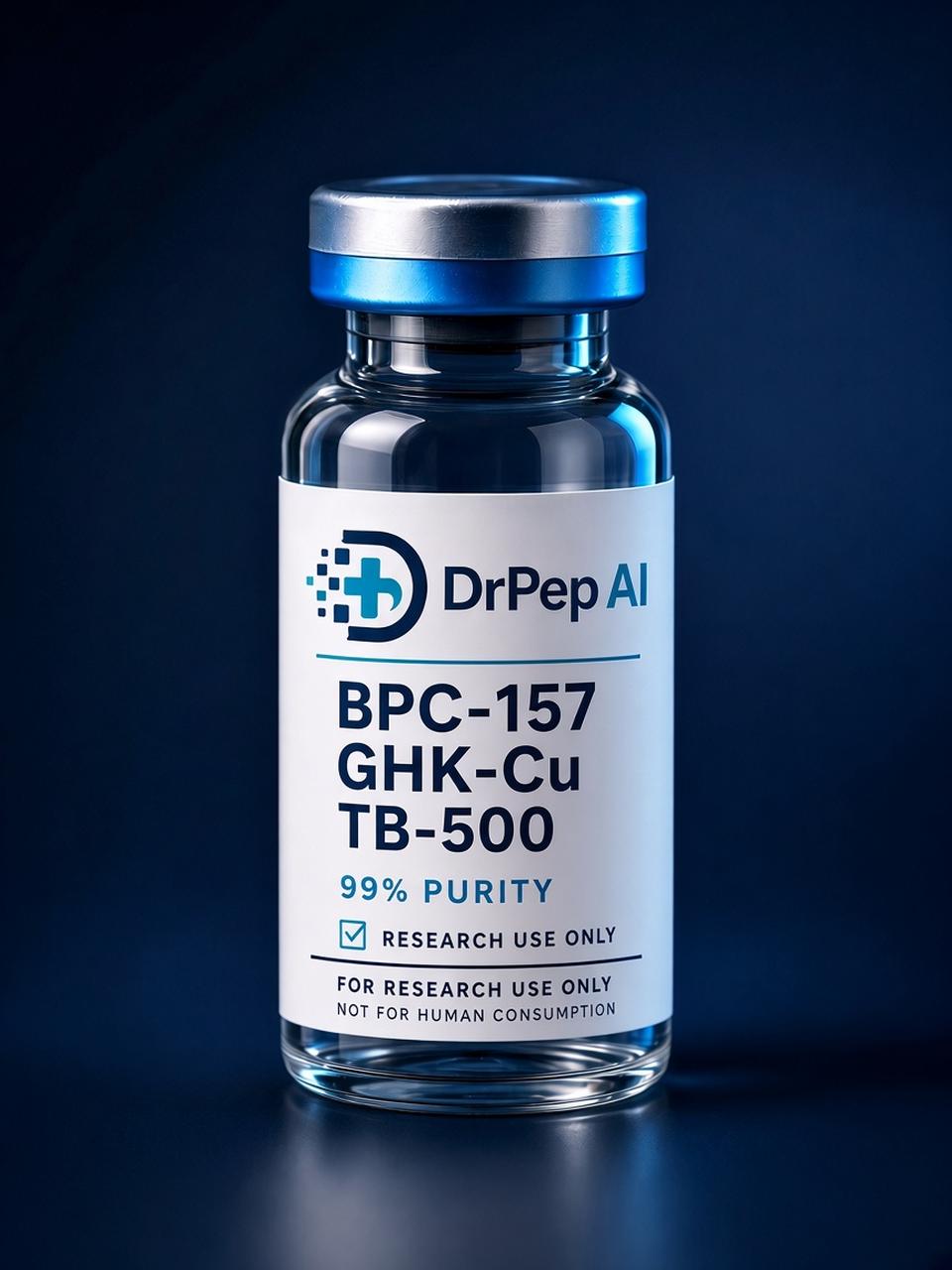
GLOW (BPC-157 / GHK-Cu / TB-500) stack — BPC-157, GHK-Cu, TB-500 research vial
#7Trending10 mg catalog framingResearch

GLOW (BPC-157 / GHK-Cu / TB-500)

BPC-157 · GHK-Cu · TB-500 · 3 compounds

GLOW bundles a repair duo with copper tripeptide-1 (GHK-Cu). People discuss it when soft-tissue and skin/appearance research chats overlap. Thematic stacking in conversation — not a cosmetic or medical claim.

Research / evidence

No controlled trial validates the three-way GLOW blend as a consumer product. GHK-Cu has a longer cosmetic/dermal research footprint than BPC or TB-500; BPC/TB evidence remains largely preclinical (see Wolverine notes). A branded triple does not create new approved indications.

Good for / interest areas

  • Skin / tissue-appearance discussion themes
  • Soft-tissue research interest
  • Copper-peptide literacy beside repair peptides
  • Multi-peptide catalog decoding
Skin & agingBones & muscle

View on body-map stacks →

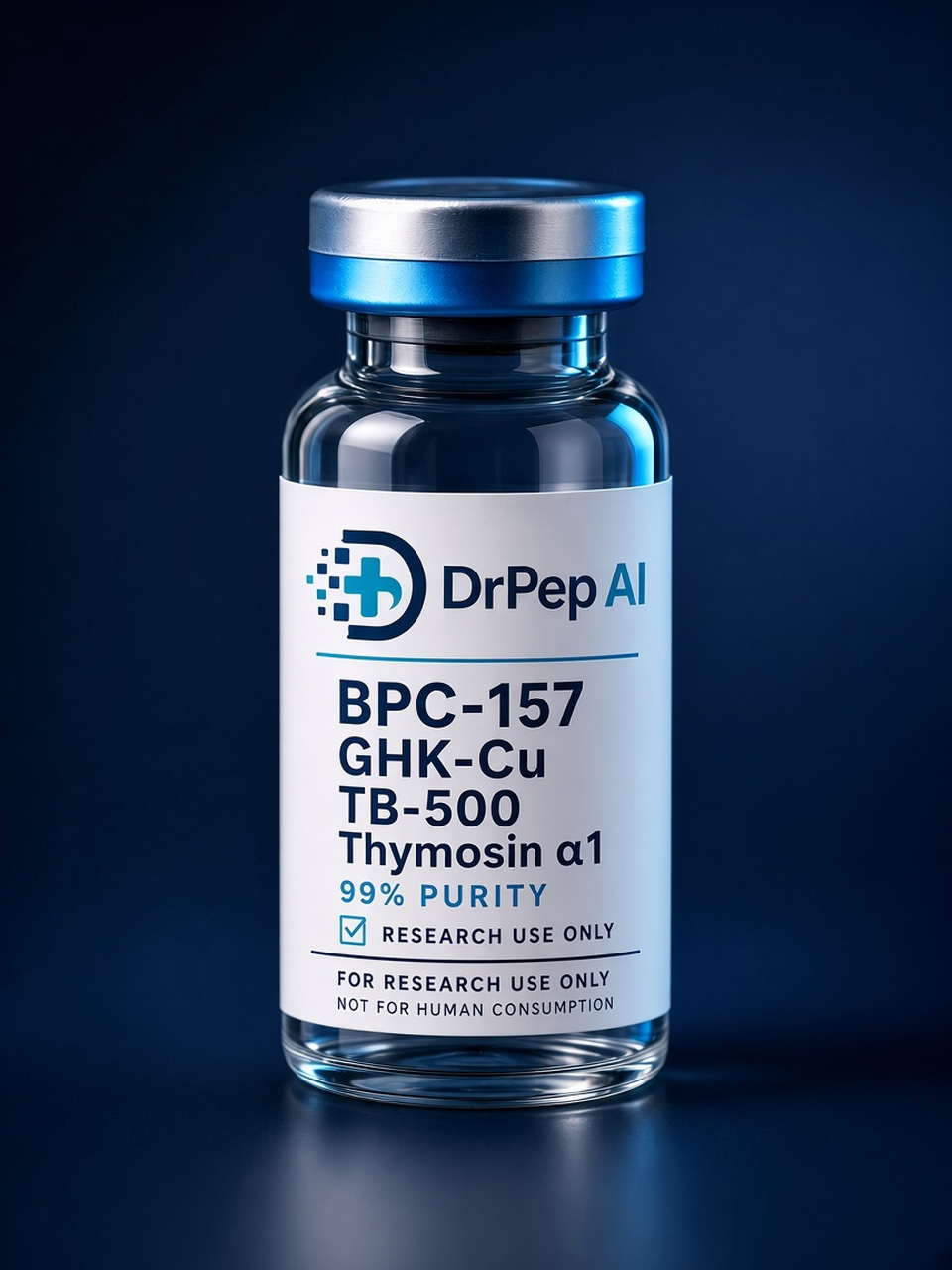
GLOW Plus (BPC-157 / GHK-Cu / TB-500 / Thymosin α1) stack — BPC-157, GHK-Cu, TB-500, Thymosin Alpha-1 research vial
#810 mg catalog framingResearch

GLOW Plus (BPC-157 / GHK-Cu / TB-500 / Thymosin α1)

BPC-157 · GHK-Cu · TB-500 · Thymosin Alpha-1 · 4 compounds

Extends GLOW with thymosin alpha-1 for readers who want repair/skin themes plus immune-modulatory research chatter. More components do not mean more proven benefit.

Research / evidence

Thymosin α1 has a separate clinical/research history (immune-oncology and infection literature in various jurisdictions) from BPC/TB/GHK. Published evidence for this specific four-peptide consumer stack is not established. Read each component’s literature on its own.

Good for / interest areas

  • Skin / tissue discussion
  • Immune-research curiosity
  • Multi-peptide literacy
  • Recognizing branded “Plus” SKUs as packaging
Skin & agingBones & muscle

View on body-map stacks →

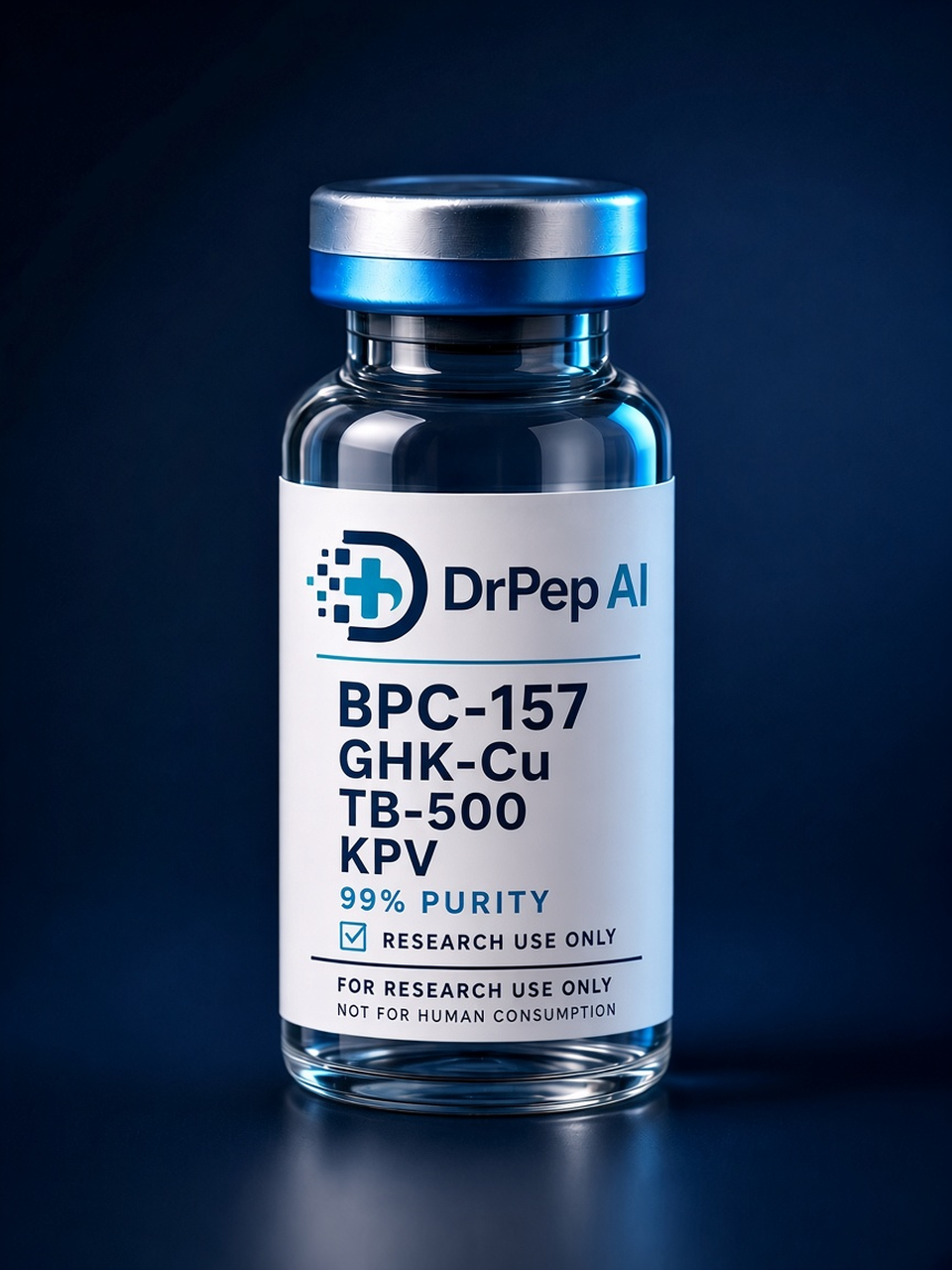
KLOW (BPC-157 / GHK-Cu / TB-500 / KPV) stack — BPC-157, GHK-Cu, TB-500, KPV research vial
#9Trending10 mg catalog framingResearch

KLOW (BPC-157 / GHK-Cu / TB-500 / KPV)

BPC-157 · GHK-Cu · TB-500 · KPV · 4 compounds

KLOW keeps the GLOW repair/skin theme and adds KPV (a short melanocortin-related tripeptide) often mentioned in gut/inflammation research chats.

Research / evidence

KPV appears in inflammatory and barrier-model research as a tripeptide fragment; evidence quality varies and human outcome trials for wellness stacks are lacking. No RCT establishes KLOW as a validated regimen. Multi-peptide brand blends should be read as catalog products.

Good for / interest areas

  • Gut / inflammation discussion themes
  • Skin / tissue discussion
  • Decoding four-component SKUs
  • Separating preclinical KPV signal from stack claims
Skin & agingGut

View on body-map stacks →

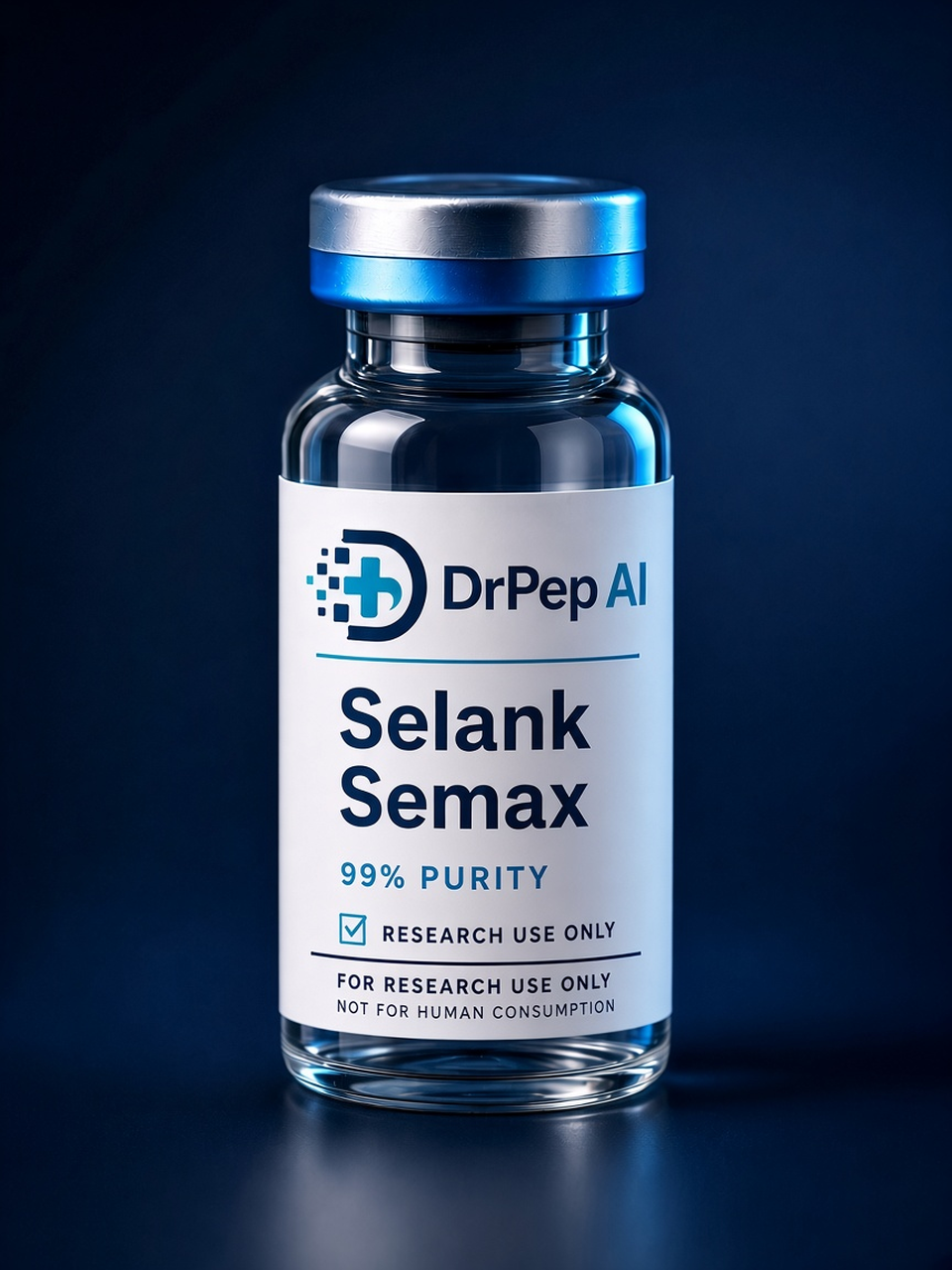
Selank / Semax stack — Selank, Semax research vial
#10Trending10/10 mgResearch

Selank / Semax

Selank · Semax · 2 compounds

Two synthetic neuropeptide analogs frequently listed together in cognitive/stress research conversations: Selank (tuftsin-related) and Semax (ACTH-fragment–related). Community interest tags focus and mood — not proof the blend improves cognition.

Research / evidence

Selank and Semax have research histories largely outside U.S. FDA wellness-approval pathways; evidence quality and regulatory status vary by country. Combination RCTs for a fixed Selank/Semax consumer stack in U.S. populations are not a strong, established evidence base. Educational framing only.

Good for / interest areas

  • Cognitive research interest
  • Stress / mood discussion themes
  • Neuropeptide naming literacy
  • Cross-border regulatory status awareness
Energy / hormones

View on body-map stacks →

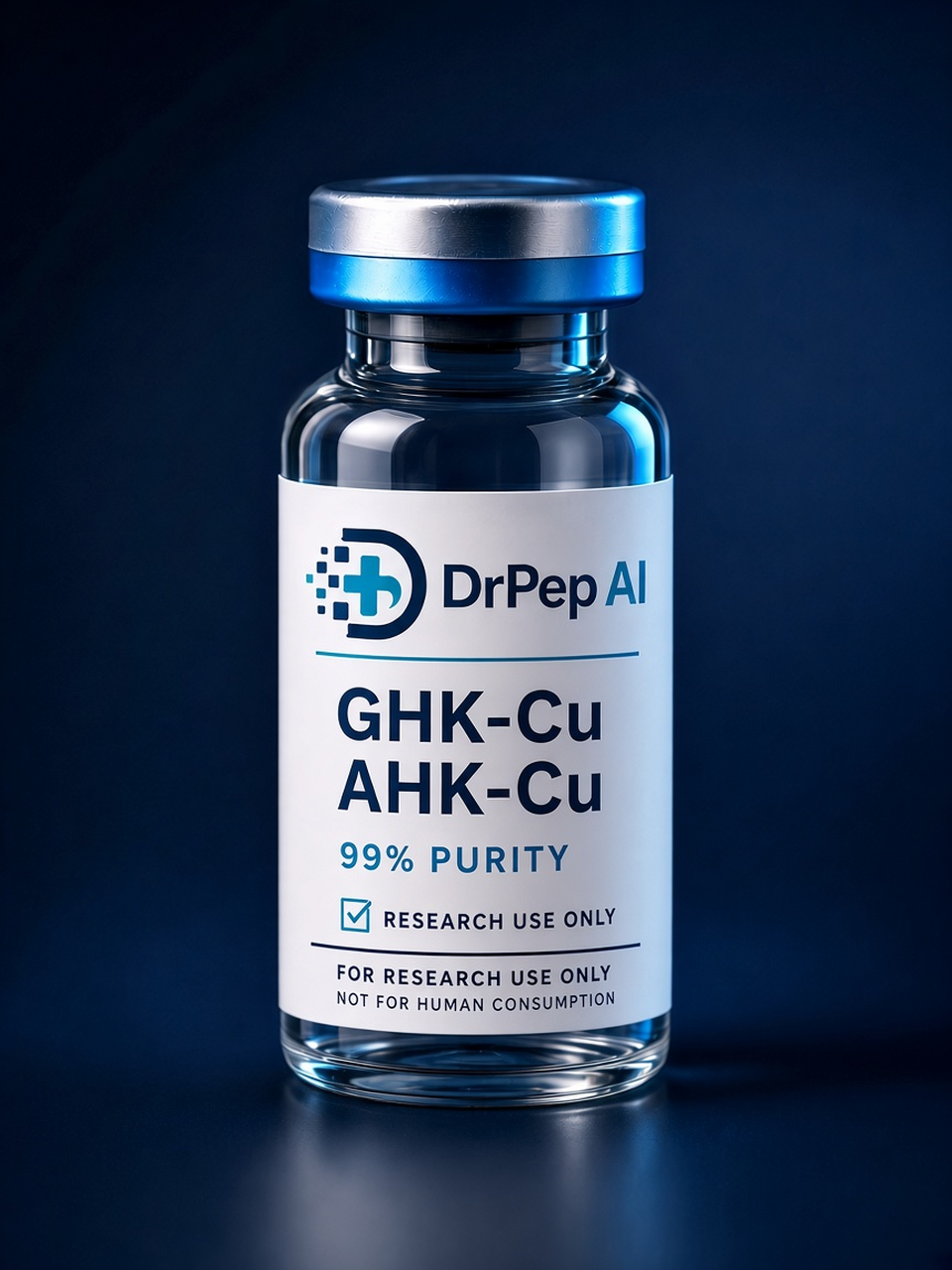
CUPRA (GHK-Cu / AHK-Cu) stack — GHK-Cu, AHK-Cu research vial
#1110/10 mgResearch

CUPRA (GHK-Cu / AHK-Cu)

GHK-Cu · AHK-Cu · 2 compounds

Copper-coordinated tripeptides paired for skin/tissue research interest. People compare GHK-Cu and AHK-Cu when reading dermal and hair/skin roundups.

Research / evidence

GHK-Cu is among the better-documented cosmetic research peptides (wound/dermal literature over decades). AHK-Cu appears in similar dermal-research conversations with thinner clinical depth. The dual copper blend is not an approved drug product; orthopedic peptide reviews note insufficient musculoskeletal clinical data for GHK-Cu.

Good for / interest areas

  • Skin / tissue discussion
  • Copper-peptide literacy
  • Cosmetic-research curiosity
  • Catalog decoding for Cu-peptide SKUs
Skin & aging

View on body-map stacks →

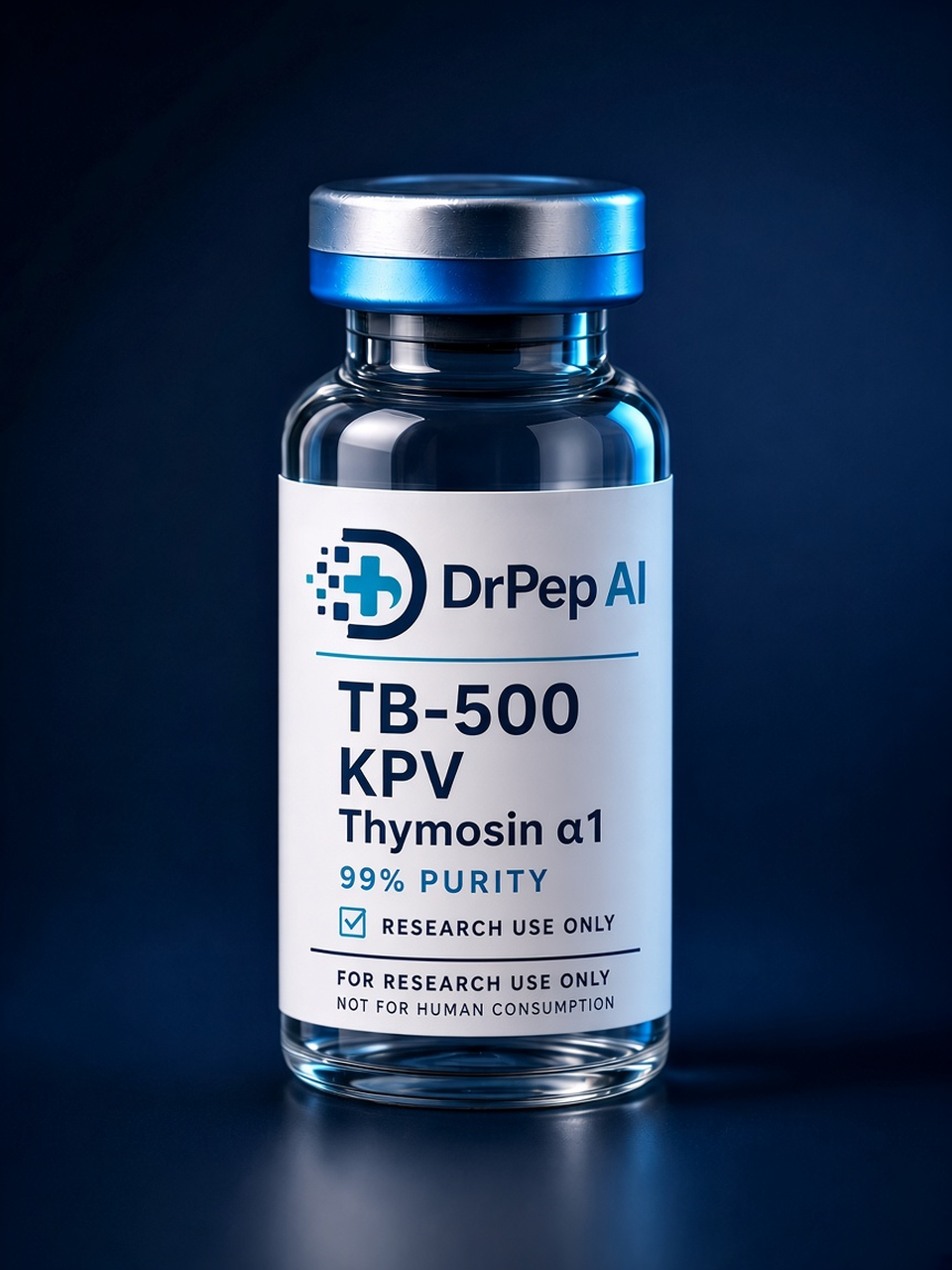
INVICTUS (TB-500 / KPV / Thymosin α1) stack — TB-500, KPV, Thymosin Alpha-1 research vial
#1210 mg catalog framingResearch

INVICTUS (TB-500 / KPV / Thymosin α1)

TB-500 · KPV · Thymosin Alpha-1 · 3 compounds

Named trio mixing thymosin-family repair/immune talk with KPV’s inflammation chatter. Educational value is recognizing components when a brand SKU appears.

Research / evidence

Each peptide has its own literature lane; the branded trio is not a validated clinical regimen. TB-500 human musculoskeletal evidence is sparse (2026 scoping review); KPV and thymosin α1 should be weighed separately.

Good for / interest areas

  • Immune-research curiosity
  • Inflammation discussion
  • Recovery talk themes
  • Brand-SKU component literacy
Bones & muscleGut

View on body-map stacks →

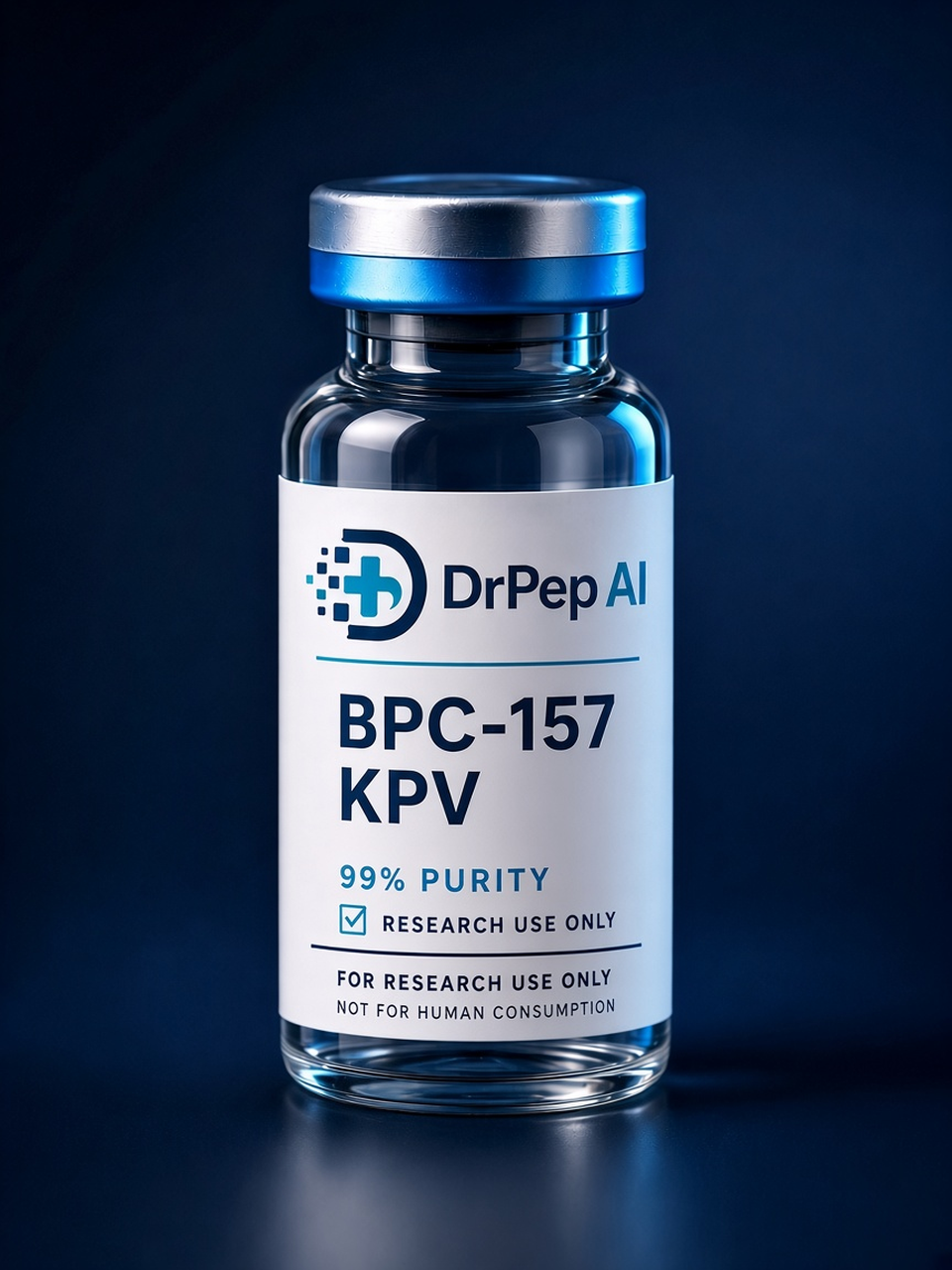
REGEN (BPC-157 / KPV) stack — BPC-157, KPV research vial
#13Trending10/10 mgResearch

REGEN (BPC-157 / KPV)

BPC-157 · KPV · 2 compounds

Pairs “repair” talk (BPC-157) with short anti-inflammatory peptide talk (KPV). Popular in gut and soft-tissue community threads.

Research / evidence

No high-quality human RCT establishes BPC-157+KPV as a gut or repair protocol. BPC-157 human evidence remains very low certainty; KPV evidence is largely preclinical/mechanistic. Dual vials are packaging.

Good for / interest areas

  • Gut discussion themes
  • Inflammation discussion
  • Soft-tissue research interest
  • Reading dual-peptide SKUs critically
GutBones & muscle

View on body-map stacks →

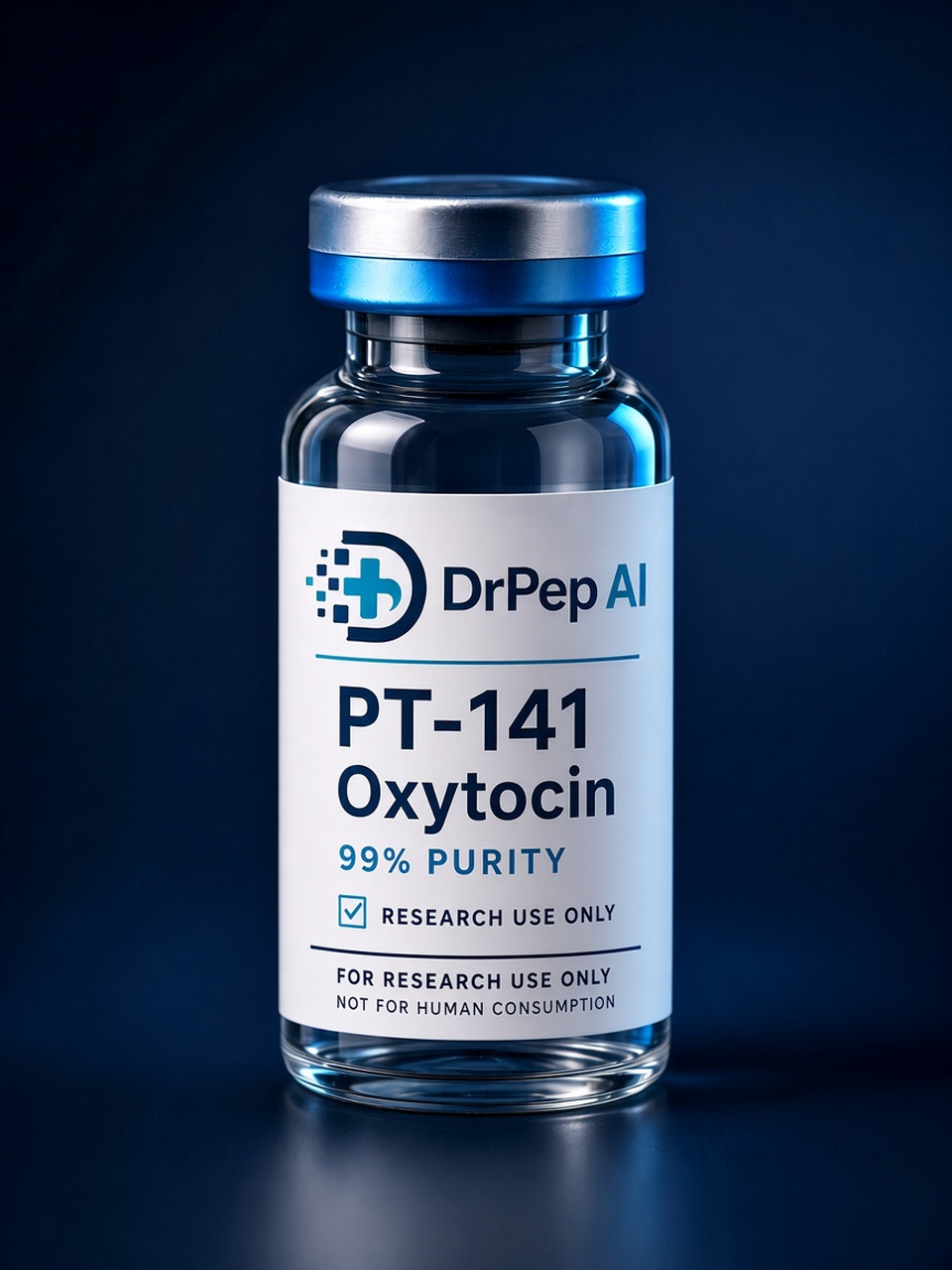
VESPER (PT-141 / Oxytocin) stack — PT-141, Oxytocin research vial
#1410/10 mgFDA-adjacent

VESPER (PT-141 / Oxytocin)

PT-141 · Oxytocin · 2 compounds

Appears in intimacy and social-bonding research conversations. PT-141 is discussed alongside the approved melanocortin agonist bremelanotide (Vyleesi®) story; oxytocin brings bonding/social research themes.

Research / evidence

Bremelanotide is FDA-approved for a specific sexual-desire indication in premenopausal women — that label does not cover gray-market PT-141 blends or oxytocin co-stacks. Oxytocin has extensive separate research. No solid trial validates VESPER-style blends as consumer intimacy products.

Good for / interest areas

  • Sexual-health literacy (approved vs research)
  • Melanocortin pathway discussion
  • Social / bonding research interest
  • Why labeled drugs ≠ blend permission
Energy / hormones

View on body-map stacks →

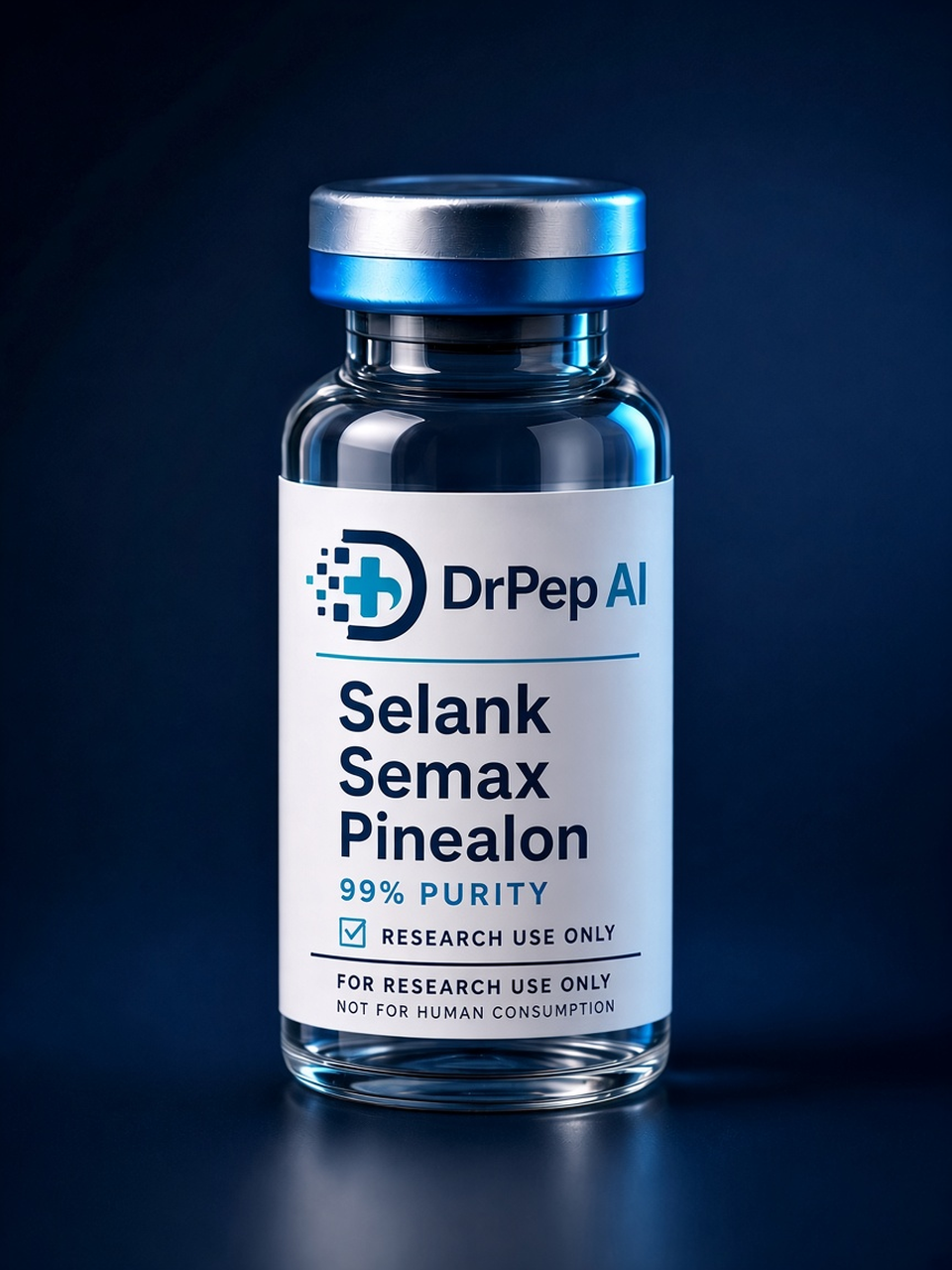
VOCUS (Selank / Semax / Pinealon) stack — Selank, Semax, Pinealon research vial
#1510 mg catalog framingResearch

VOCUS (Selank / Semax / Pinealon)

Selank · Semax · Pinealon · 3 compounds

Three-neuropeptide catalogs aimed at cognitive / sleep / aging research chat. Useful for decoding a complex SKU into known library names.

Research / evidence

Heterogeneous evidence and regulatory status across Selank, Semax, and pinealon. Multi-peptide branding is not clinical validation. Prefer component-level primary sources.

Good for / interest areas

  • Cognitive research interest
  • Neuropeptide literacy
  • Aging-research curiosity
  • SKU decoding skills
Energy / hormones

View on body-map stacks →

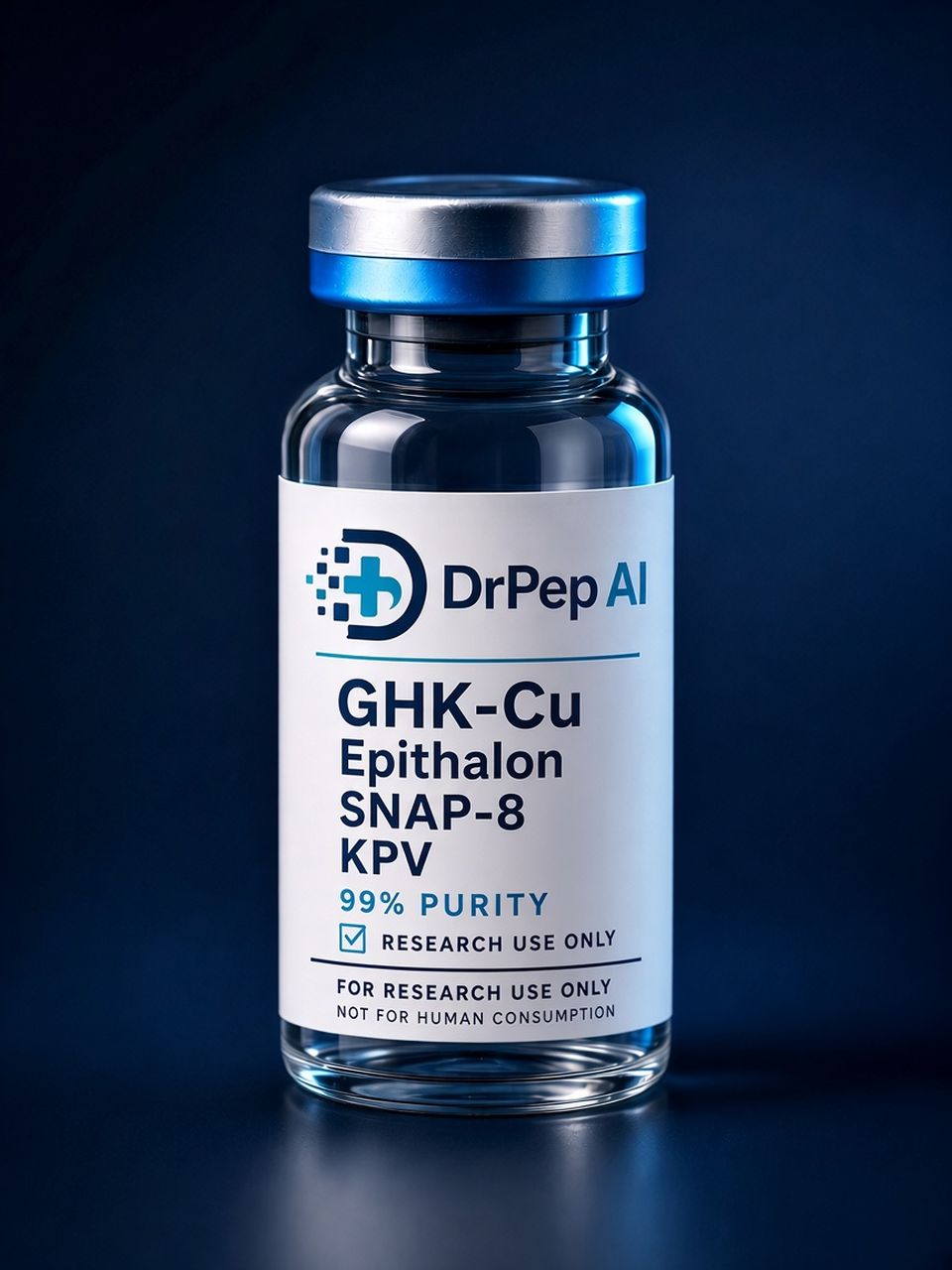
VORTEX (GHK-Cu / Epithalon / SNAP-8 / KPV) stack — GHK-Cu, Epithalon, SNAP-8, KPV research vial
#1610 mg catalog framingResearch

VORTEX (GHK-Cu / Epithalon / SNAP-8 / KPV)

GHK-Cu · Epithalon · SNAP-8 · KPV · 4 compounds

Appearance-oriented discussions mix copper peptides, epithalon (telomere/aging research chatter), SNAP-8 (cosmetic signal peptide), and KPV. Decode the SKU; don’t assume anti-aging drug status.

Research / evidence

SNAP-8 and GHK-Cu sit closer to cosmetic research; epithalon and KPV have separate investigational lanes. No blend creates FDA-approved anti-aging drug status. Evidence for the four-way combo is catalog-level, not trial-level.

Good for / interest areas

  • Skin / appearance discussion
  • Cosmetic-research curiosity
  • Multi-peptide literacy
  • Separating cosmetic peptides from drug claims
Skin & aging

View on body-map stacks →

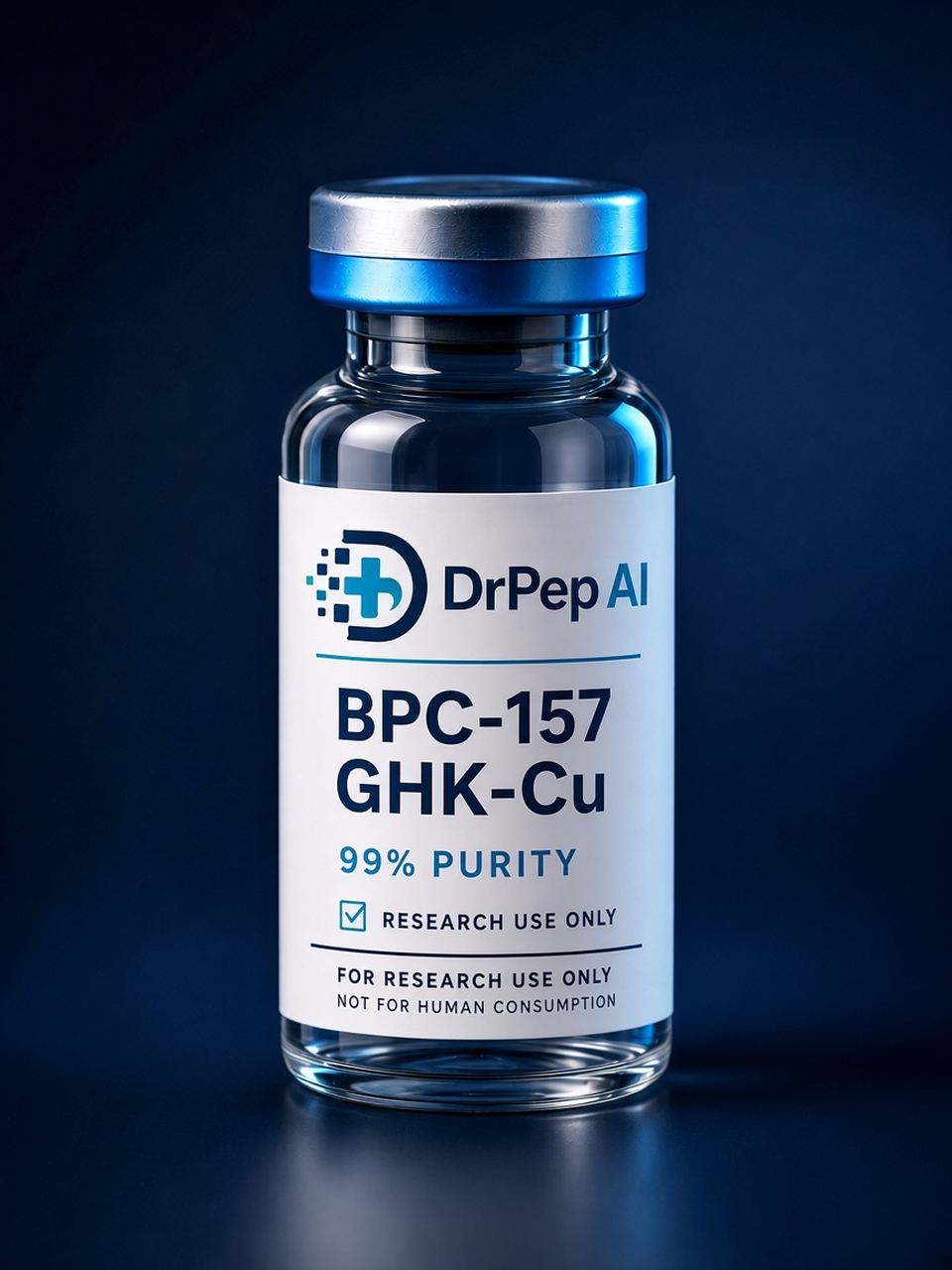
BPC-157 / GHK-Cu stack — BPC-157, GHK-Cu research vial
#1710/10 mgResearch

BPC-157 / GHK-Cu

BPC-157 · GHK-Cu · 2 compounds

A lighter “repair + copper” pair without TB-500 — discussed when people want soft-tissue themes next to dermal copper-peptide interest but prefer a two-component story.

Research / evidence

Component literatures do not combine into a validated duo trial. BPC-157: very low human certainty; GHK-Cu: stronger cosmetic/dermal research footprint but limited musculoskeletal clinical data per sports-medicine reviews.

Good for / interest areas

  • Soft-tissue + skin overlap themes
  • Two-component catalog literacy
  • Copper-peptide vs repair-peptide roles
  • Evidence-gap awareness
Skin & agingBones & muscle

View on body-map stacks →

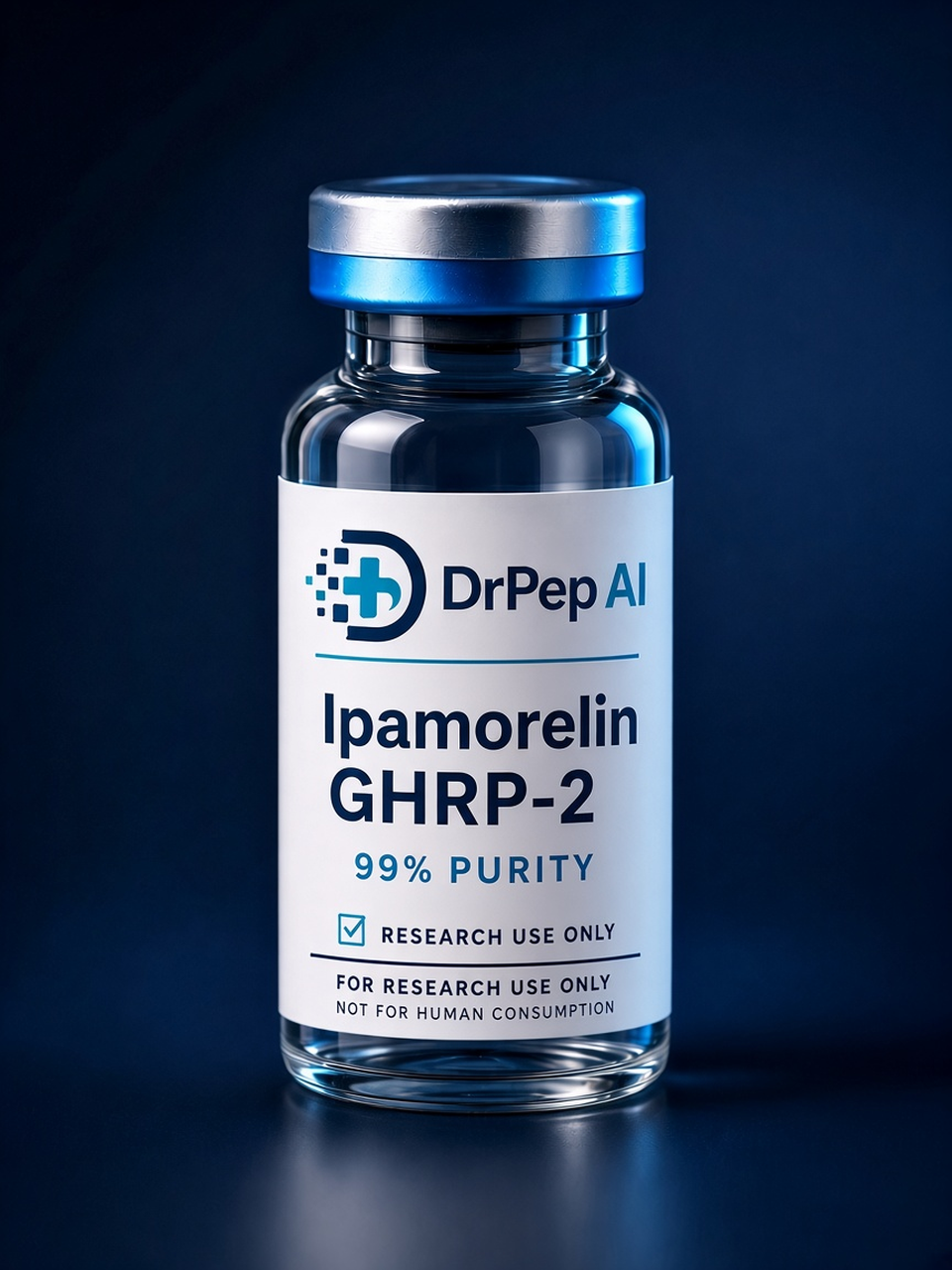
Ipamorelin / GHRP-2 stack — Ipamorelin, GHRP-2 research vial
#1810/10 mgResearch

Ipamorelin / GHRP-2

Ipamorelin · GHRP-2 · 2 compounds

Classic dual-GHS discussion: two ghrelin-receptor pathway tools compared for selectivity (ipamorelin) vs potency/cortisol tradeoffs (GHRP-2). Older community stacks; still appears in catalogs and forums.

Research / evidence

Ipamorelin’s selective profile is described in Raun et al. 1998 (less ACTH/cortisol vs some GHRPs in animal models). GHRP-2 has separate secretagogue literature. Human RCTs of ipamorelin+GHRP-2 as a fixed wellness stack are not a strong modern evidence base.

Good for / interest areas

  • GHS selectivity literacy
  • Historical dual-secretagogue stacks
  • GH-axis research interest
  • Why “more GHS” ≠ better evidence
Energy / hormonesBones & muscle

View on body-map stacks →

Ipamorelin / GHRP-6 stack — Ipamorelin, GHRP-6 research vial
#1910/10 mgResearch

Ipamorelin / GHRP-6

Ipamorelin · GHRP-6 · 2 compounds

Another dual-GHS pairing from classic peptide forums. People compare appetite/cortisol chatter around GHRP-6 with ipamorelin’s “cleaner GH” reputation in community language.

Research / evidence

Both are GHS-R agonists studied separately; GHRP-6 has a long preclinical and some human secretagogue history. No robust modern combination trial endorses ipamorelin+GHRP-6 for body-composition claims. Educational comparison only.

Good for / interest areas

  • Dual-GHS catalog literacy
  • Appetite / cortisol discussion themes (community)
  • GH-axis research interest
  • Historical vs current stack fashion
Energy / hormonesBones & muscle

View on body-map stacks →

MOTS-c / Humanin stack — MOTS-c, Humanin research vial
#20Trending10/10 mgResearch

MOTS-c / Humanin

MOTS-c · Humanin · 2 compounds

Mitochondrial-derived peptide (MDP) pair discussed in metabolic aging and cellular-stress research chats. Rising popularity signal as “mito peptide” literacy spreads beyond GH-axis stacks.

Research / evidence

MOTS-c and humanin have expanding preclinical and early translational literature on metabolic and stress-response pathways; human clinical outcome programs remain limited relative to their online popularity. No established consumer-stack RCT for the pair. Educational framing of research interest only.

Good for / interest areas

  • Mitochondrial / metabolic research interest
  • Aging-biology literacy
  • Separating MDP hype from trial maturity
  • New-wave stack awareness beyond GH/repair
Weight / metabolicHeart / metabolic riskEnergy / hormones

View on body-map stacks →

Send me a message

Or email directly:info@drpep.ai